
Choosing a construction partner
Choose the team that can explain the work.
The most revealing contractor conversation goes beyond a portfolio. Ask how the proposed team will turn your architect’s and interior designer’s documents into coordinated work on site. For a major renovation, the answer should make the responsibilities, unresolved questions and decision process understandable.
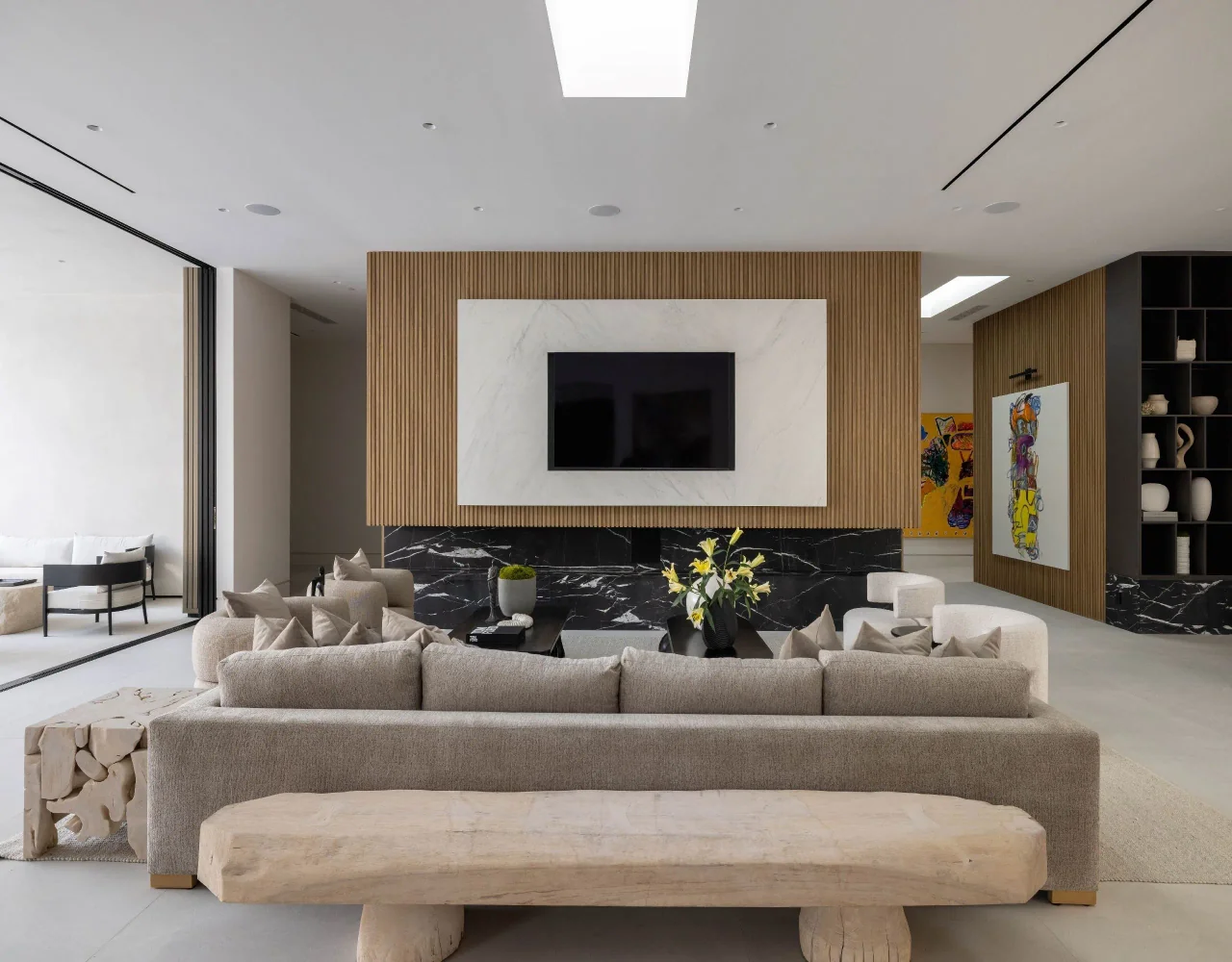
Look for relevant work and a clear account of the role.
A comparable project involves more than a similar finish. Consider the extent of renovation, retained structure, site access, specialist trades and level of detail. Ask the contractor to explain what their team was responsible for and which work belonged to other parties.
Use a specific example to explore the process. How was an awkward material junction resolved? What information was missing when a change was proposed? How did the team involve the architect or interior designer? A useful answer identifies the problem, the people involved and how the agreed detail reached the trades.
Verify the business you would actually appoint.
Check the contractor’s current license record with California’s Contractors State License Board and confirm that the business matches the proposed agreement. Review the license classification and status, then ask for current insurance information and verify it with the relevant provider. A license, a bond and insurance address different questions.
Keep the verification with your project records. Do not rely only on a logo, a number printed on a proposal or a general description of coverage. Ask the contractor to clarify any difference between the business presenting the work and the entity named in the agreement.
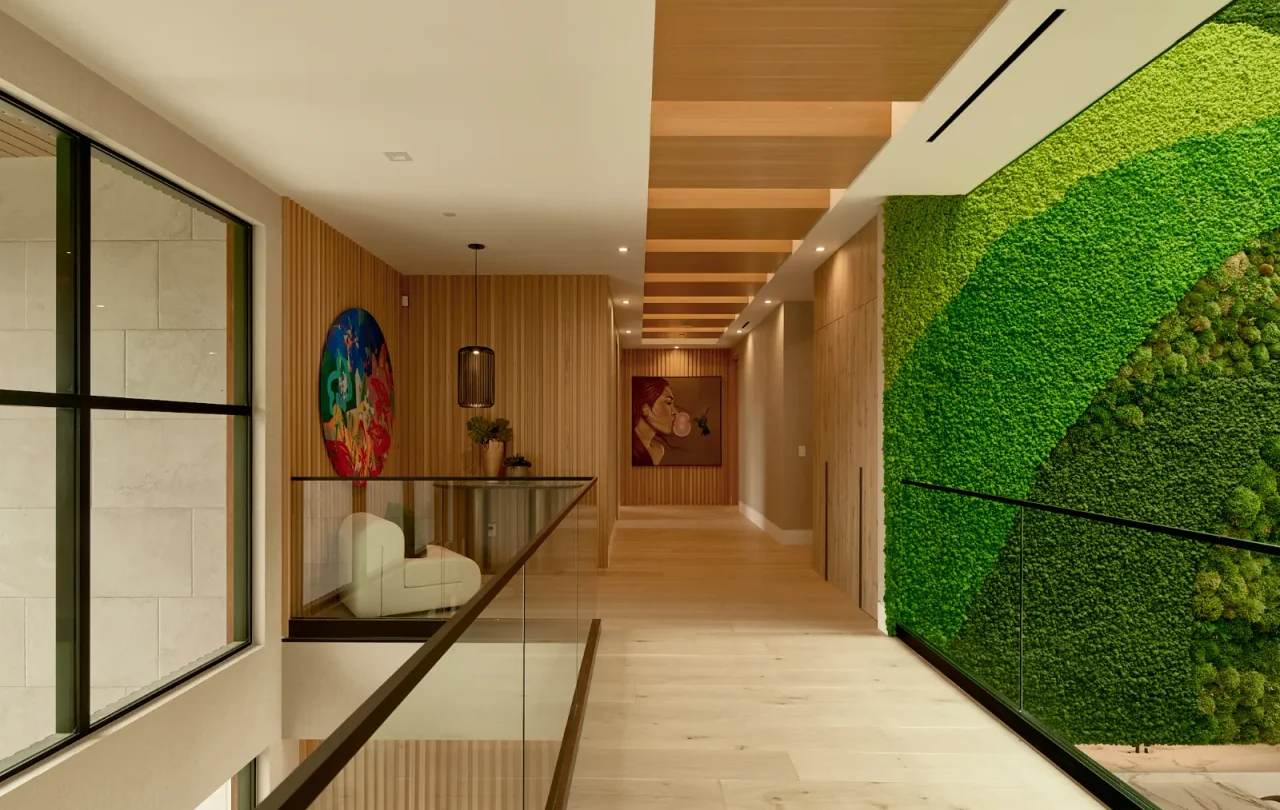
Meet the people who would coordinate the site.
Find out who will lead the day-to-day work, who communicates with the design team and who can commit the company to an answer. Ask how those responsibilities are covered when the main contact is unavailable. A clear point of contact should connect you to the work, rather than obscure who owns a decision.
Confirm the boundaries of each appointment. The architect and interior designer retain their agreed design responsibilities; engineers and specialists provide their own requirements. The builder coordinates construction within the contracted scope. If you are considering separate owner representation, define that role distinctly from the construction contract.
Compare the scope behind the proposals.
Give each prospective builder the same current documents and record subsequent clarifications. Compare included work, exclusions, allowances, selection assumptions and the treatment of unresolved conditions. A headline total cannot reveal whether the proposals describe the same project.
Ask for the reasons behind material differences. One proposal may include a coordination task, protection measure or specialist item that another leaves open. Bring those differences into a common comparison before deciding. Treat a construction price tied to an identified scope differently from an early planning allowance.
Make the agreement usable during construction.
The written agreement should clearly identify the parties, scope, price basis, payment arrangements, responsibilities and how changes are documented. Resolve open terms before signing and obtain appropriate professional advice where needed. This article is a selection framework, not a substitute for reviewing your own agreement.
Ask to see how project questions and proposed changes are presented in practice. The record should identify the location and drawing version, explain the answer required and show any effect on scope or sequence. Agree how owner approval is obtained when a decision changes the commitment.
Ask references about the difficult moments.
A reference is most useful when the questions are specific. Ask how the team handled an unexpected condition, explained a proposed change and coordinated with the designer. Discuss the clarity of progress information and how outstanding work was tracked toward completion.
Finish your selection process with the unresolved questions in writing. If you are discussing a whole-home renovation with Energize Builders, provide the available drawings, site address, design-team contacts and intended construction scope. Those particulars support a serious conversation about fit and the work needed before a proposal.
Questions for the first meeting
- What did the builder deliver on the comparable project?
- Who will coordinate this site and its design questions?
- Which scope assumptions differ between proposals?
- How are changes and owner decisions recorded?
- What do references say about issue resolution and handover?
Further information
Review the references below with your project team. Confirm local requirements with the responsible authority and product-specific requirements with the manufacturer.
Planning a custom home or major renovation with an architect or interior designer?
Introduce your project