
Decide what is worth keeping.
The choice between a full remodel and another home is partly a question of place. A renovation can change a building, but it cannot change every condition around it. Start by identifying what you value in the existing property and what it cannot realistically provide.
In this conversation
- Separate the address from the building.
- Test design potential before assuming it.
- Examine the purchase option just as closely.
- Plan the household transition.
- Compare evidence and choose a review point.
Separate the address from the building.
List the features connected to the location: proximity, outlook, outdoor space and the way the property sits in its surroundings. Then list the shortcomings of the house itself. This distinguishes a problem that design may solve from one that a remodel leaves intact.
Include the household’s future needs, not just current frustrations. A project should be tested against the way you expect to live, while acknowledging what remains uncertain.
Test design potential before assuming it.
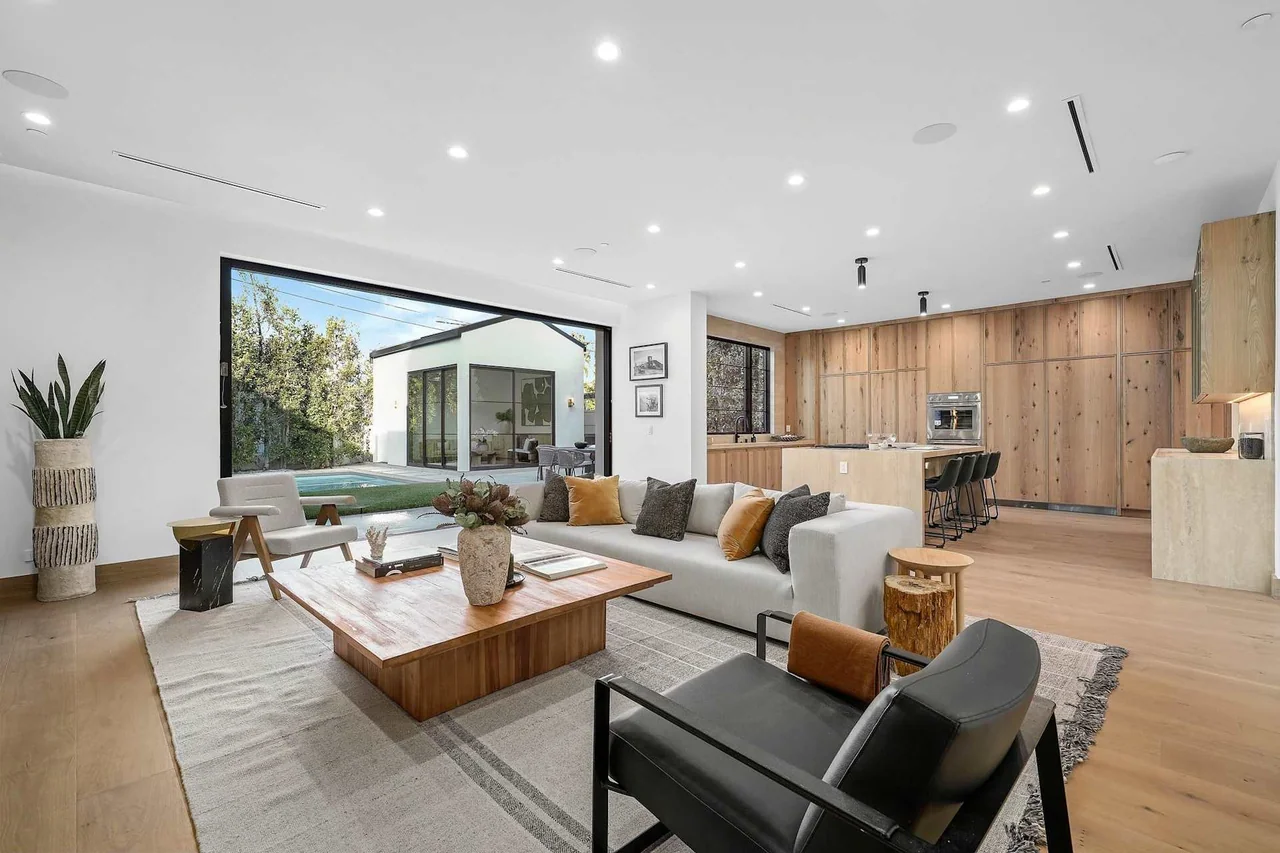
Ask an architect to explore whether the existing building can support the required rooms, circulation and relationship to the outdoors. A feasibility study can expose awkward compromises before detailed selections begin.
Bring in structural and other specialist input when the proposal depends on retained construction. A desired open plan or additional level needs more than a sketch; the underlying work should be understood before it becomes the basis for choosing to stay.
Examine the purchase option just as closely.
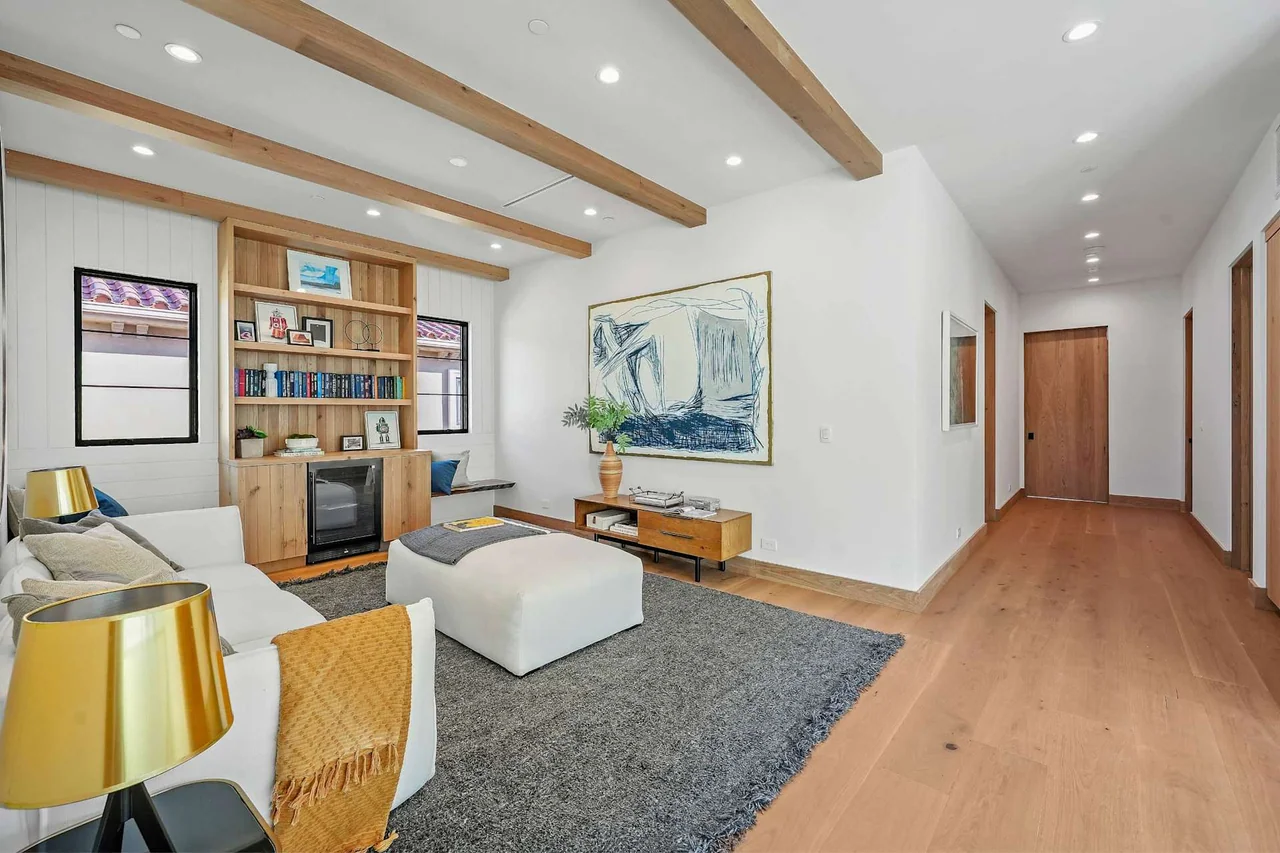
A different property may solve a location or space problem while creating new work. Review condition, available records and the alterations you would make. A renovated interior should not be treated as evidence that concealed systems suit your needs.
Compare properties against the same brief used for the remodel. Distinguish features you can accept from those that would immediately lead to another design and construction project.
Plan the household transition.
Consider how each option affects occupation, storage, work and family routines. A major remodel may require temporary arrangements; a purchase may involve overlapping commitments and work before moving in. Neither scenario should be judged solely by a proposed completion date.
Ask the construction team which arrangements are feasible for the actual scope. Keep personal logistics in the decision alongside design quality, rather than discovering them after the project is committed.
Compare evidence and choose a review point.
Use a complete cost comparison prepared with the relevant construction, property and financial advisers. Keep estimates distinct from confirmed obligations, and avoid assuming that a renovation necessarily costs less or produces a higher resale value.
Summarize the choice in a short decision record: what each option solves, what remains compromised and which unresolved fact could change your mind. The next step may be a feasibility review rather than an immediate commitment to either path.
Questions for the first meeting
- Location qualities worth retaining
- Household requirements and future flexibility
- Design and structural feasibility
- Condition and alterations of alternative properties
- Occupation arrangements and complete cost comparison
Planning a custom home or major renovation with an architect or interior designer?
Continue the conversation.
Planning & scope · 4 min read
A major renovation needs a construction partner.
Planning & scope · 4 min read